

Corporate Gifts have long been used as a way to acknowledge relationships, mark milestones, and express appreciation. Corporate Gifts today are increasingly evaluated not only for their presentation, but also for the values they reflect. As organizations become more aware of environmental responsibility, gifting choices are being reconsidered through the lens of sustainability, material sourcing, and long term impact. These considerations influence how a brand is perceived by clients, partners, and employees alike.
Sustainable corporate gifts represent a shift away from disposable items toward thoughtful selections that align with environmental awareness. Rather than focusing on novelty or excess, this approach emphasizes purpose, usability, and responsible production. When recipients recognize that a company has considered the environmental impact of its gifts, the gesture carries additional meaning beyond the item itself.
In a business environment where brand image is shaped by everyday decisions, gifting practices offer a visible and tangible expression of values. Educational resources that explore Eco friendly gifts help explain how environmentally responsible options fit into broader brand communication strategies.
Why Sustainability Matters in Corporate Gifting
Sustainability has become a defining factor in how organizations are evaluated. Clients and stakeholders increasingly expect transparency and responsibility across operations, including marketing and outreach activities. Gifting is one of the few brand touchpoints that results in a physical object, making its environmental footprint especially noticeable.
Traditional gift items often rely on plastic packaging, short lifespan products, or materials that are difficult to recycle. Over time, these practices contribute to waste and can conflict with public sustainability commitments. In contrast, environmentally friendly gifts demonstrate an effort to reduce unnecessary impact.
Choosing sustainable materials, reusable designs, and minimal packaging supports alignment between messaging and action. This consistency strengthens trust and reinforces credibility in brand communications.
The Connection Between Gifts and Brand Perception
Brand image is influenced by how consistently an organization’s actions reflect its stated values. Corporate gifting, while sometimes viewed as a small detail, can reinforce or undermine those values depending on execution.
A gift that reflects environmental awareness signals attentiveness and responsibility. Recipients may associate the brand with care, foresight, and ethical consideration. These associations are especially relevant in industries where sustainability is already part of the conversation.
When sustainable corporate gifts are integrated thoughtfully, they contribute to a broader narrative of responsibility. This narrative is built over time through repeated, consistent actions rather than one time gestures.
Understanding Eco Friendly Gift Sets
Eco friendly gift sets are designed around cohesion and purpose. Rather than assembling unrelated items, these sets often share a theme such as reuse, wellness, or low waste living. Materials are selected for durability and environmental impact, while packaging is kept minimal or recyclable.
Common elements in these sets may include reusable containers, responsibly sourced paper goods, or items made from natural fibers. The emphasis is on functionality and longevity rather than novelty.
Well designed gift sets also reduce the likelihood that items will be discarded. When recipients find practical value in a gift, it remains in use longer, extending its positive association with the brand.
Benefits of well planned eco friendly gift sets include:
- Reduced waste through reusable or compostable materials
- Greater perceived value through thoughtful curation
These characteristics help reinforce a positive and responsible brand image.
Role of Materials and Production Choices
Materials play a central role in determining whether a gift can truly be considered environmentally responsible. Paper goods, textiles, and packaging all carry different environmental footprints depending on sourcing and processing.
Recycled and responsibly sourced paper reduces pressure on natural resources. Natural inks and dyes limit chemical impact. Locally produced items can also reduce transportation related emissions, though this varies by region and scale.
Production transparency adds another layer of credibility. When organizations understand where and how items are made, they can communicate this knowledge confidently. This transparency supports informed decision making and aligns with broader sustainability goals.
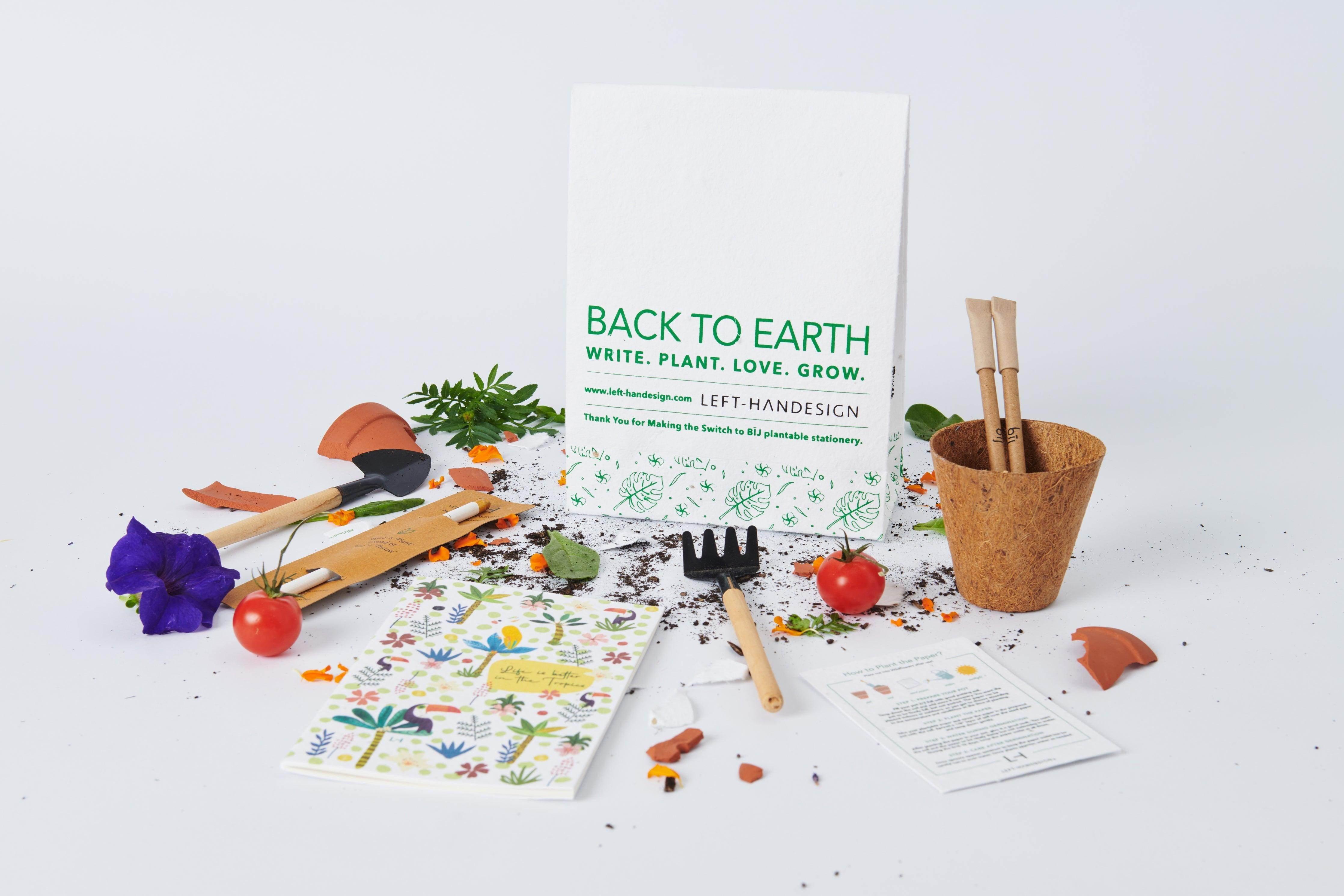
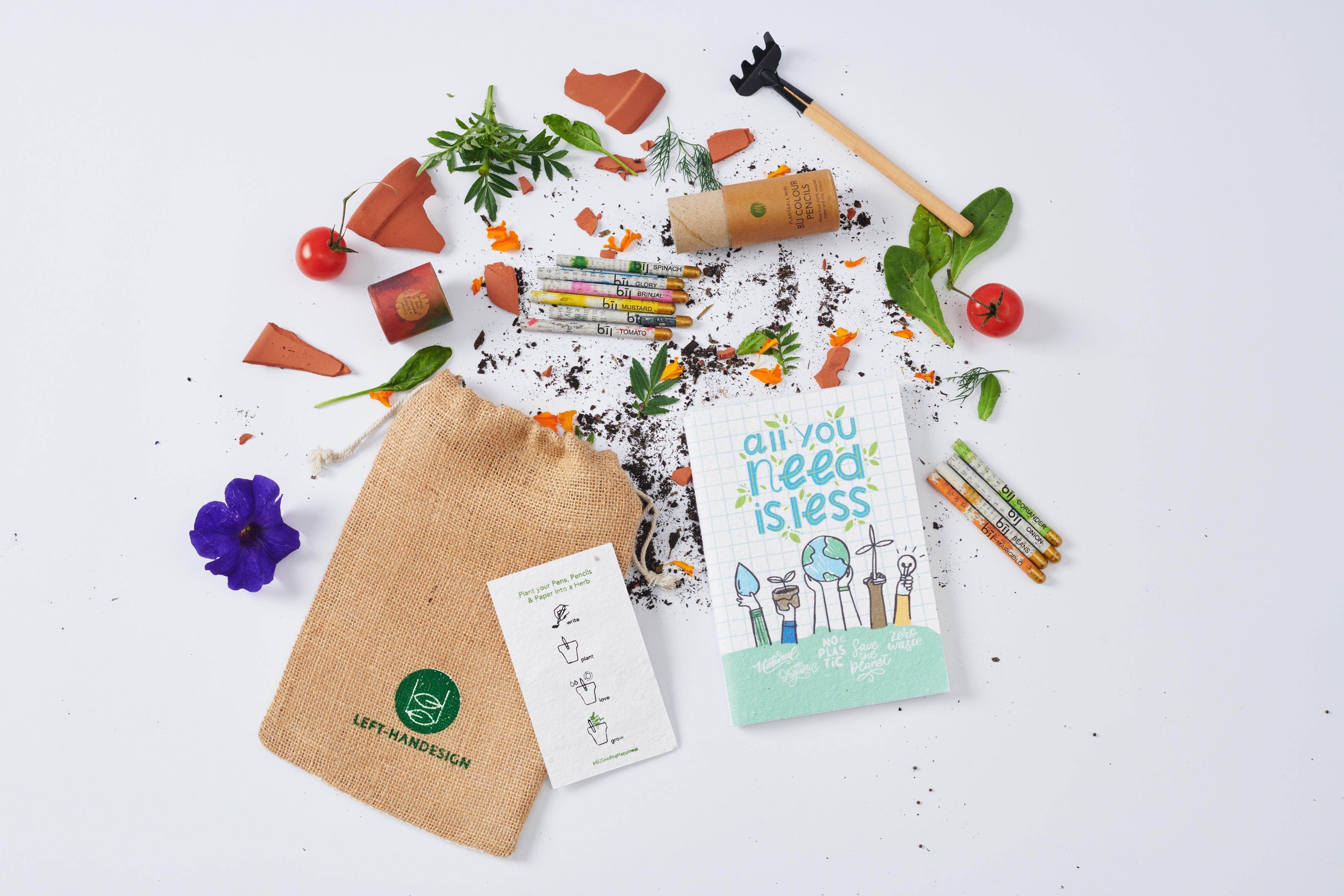
Items such as plantable stationery offer a clear example of how material choices can transform a traditional product into an environmentally conscious one. By embedding seeds into paper, these items extend their life beyond initial use and invite participation from the recipient.
Gifting as Part of a Larger Sustainability Strategy
Corporate gifting does not exist in isolation. It is one component of a broader sustainability strategy that may include responsible sourcing, energy efficiency, and community engagement. When gifting aligns with these efforts, it strengthens overall messaging.
Consistency across initiatives matters. A brand that promotes environmental responsibility but distributes disposable promotional items may create confusion or skepticism. Aligning gifting practices with stated commitments reduces this risk.
This alignment is particularly important for internal audiences. Employees often notice and interpret these signals closely. Sustainable gifting choices can reinforce internal culture and support shared values.
Practical Considerations for Sustainable Gifting
Implementing environmentally friendly gifts requires planning and evaluation. Budget considerations, availability, and relevance to recipients all play a role. Sustainability does not necessarily mean higher cost, but it does require intentional selection.
Organizations may benefit from assessing gifting goals before choosing items. Is the gift meant to be educational, practical, or symbolic. Clarifying purpose helps narrow options and avoid unnecessary complexity.
A simple framework for decision making might include:
- Assess material sustainability and lifespan
- Evaluate relevance and usability for recipients
- Review packaging and delivery impact
This approach helps ensure that gifting choices are both responsible and effective.
Long Term Impact on Brand Relationships
Over time, repeated exposure to sustainable practices influences how stakeholders perceive a brand. Gifting choices that consistently reflect environmental awareness contribute to a reputation for responsibility.
These perceptions can affect relationship quality, loyalty, and word of mouth. While a single gift may not define a brand, patterns of behavior do shape long term impressions.
Environmentally friendly gifts also invite conversation. Recipients may ask about materials, production, or purpose, creating opportunities for meaningful engagement beyond the initial exchange.
Products such as sustainable stationery demonstrate how everyday items can communicate values subtly yet effectively.
Avoiding Common Pitfalls
Not all items labeled as eco friendly deliver meaningful environmental benefits. Superficial changes, such as minimal recycled content or excessive packaging, can undermine intentions.
Greenwashing concerns arise when sustainability claims are unclear or unsupported. To avoid this, organizations should prioritize transparency and accuracy in describing gift attributes.
Clear communication about materials and usage helps recipients understand the environmental rationale behind the gift. This clarity supports trust and avoids confusion.
Conclusion
Corporate gifting offers a tangible way to express organizational values. When approached thoughtfully, sustainable corporate gifts contribute to a brand image grounded in responsibility and awareness. Through careful material selection, purposeful design, and alignment with broader sustainability goals, gifting practices can reinforce credibility and strengthen relationships. Exploring options such as sustainable stationery and environmentally friendly gift sets highlights how small, consistent choices shape long term brand perception.
Frequently Asked Questions
1. What makes a corporate gift sustainable?
A sustainable gift uses responsible materials, minimizes waste, and offers long term usability.
2. Do eco friendly gifts cost more?
Not always. Thoughtful selection and reduced packaging can balance costs effectively.
3. How do sustainable gifts affect brand image?
They support perceptions of responsibility, care, and alignment with environmental values.
4. Are eco friendly gift sets practical for business use?
Yes, when curated around usability and relevance, they suit a wide range of professional contexts.
5. How can organizations avoid greenwashing in gifting?
By choosing transparent products and communicating clearly about materials and sourcing.













Leave a comment
All comments are moderated before being published.
This site is protected by hCaptcha and the hCaptcha Privacy Policy and Terms of Service apply.