
In today’s corporate world, sustainability is no longer just a trend; it is a responsibility. One of the most effective ways businesses can reduce their environmental impact is by rethinking the office supplies they use daily. Implementing zero waste stationery is a key strategy that can significantly reduce your office footprint. By switching from conventional paper, pens, and other office items to sustainable alternatives, businesses can decrease waste, conserve natural resources, and promote a healthier environment.
Office footprint refers to the total impact an office has on the environment, including waste production, energy usage, and resource consumption. The supplies we use, such as notebooks, pens, folders, and even packaging materials, contribute heavily to this footprint. Choosing zero waste stationery and eco friendly stationery alternatives helps mitigate these effects while supporting sustainable production practices. Companies adopting these practices often notice not only environmental benefits but also improved workplace culture and a positive perception among clients and employees. A great starting point to explore these sustainable options is professional zero waste stationery collections that combine functionality with environmental responsibility.
Understanding Zero Waste Stationery
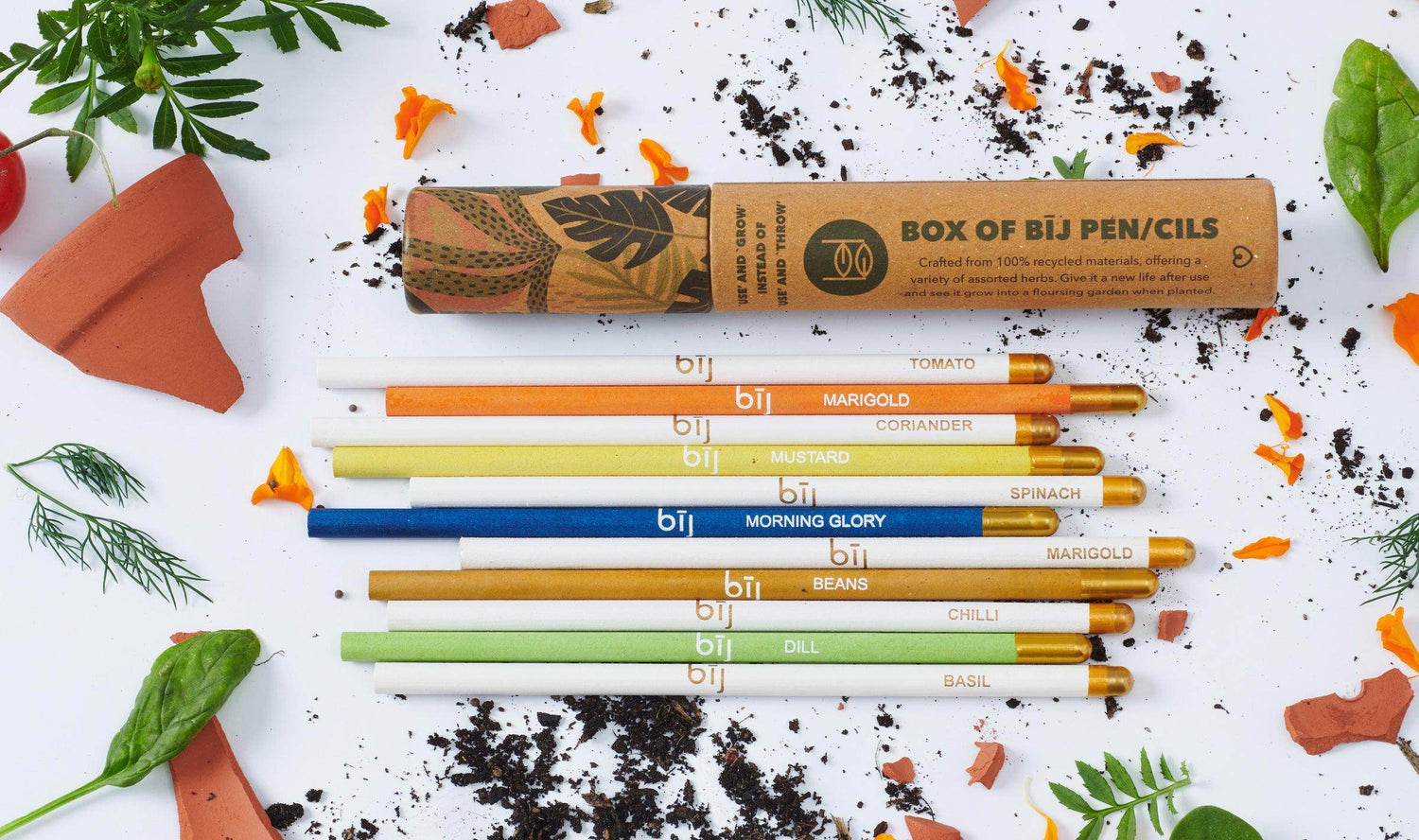
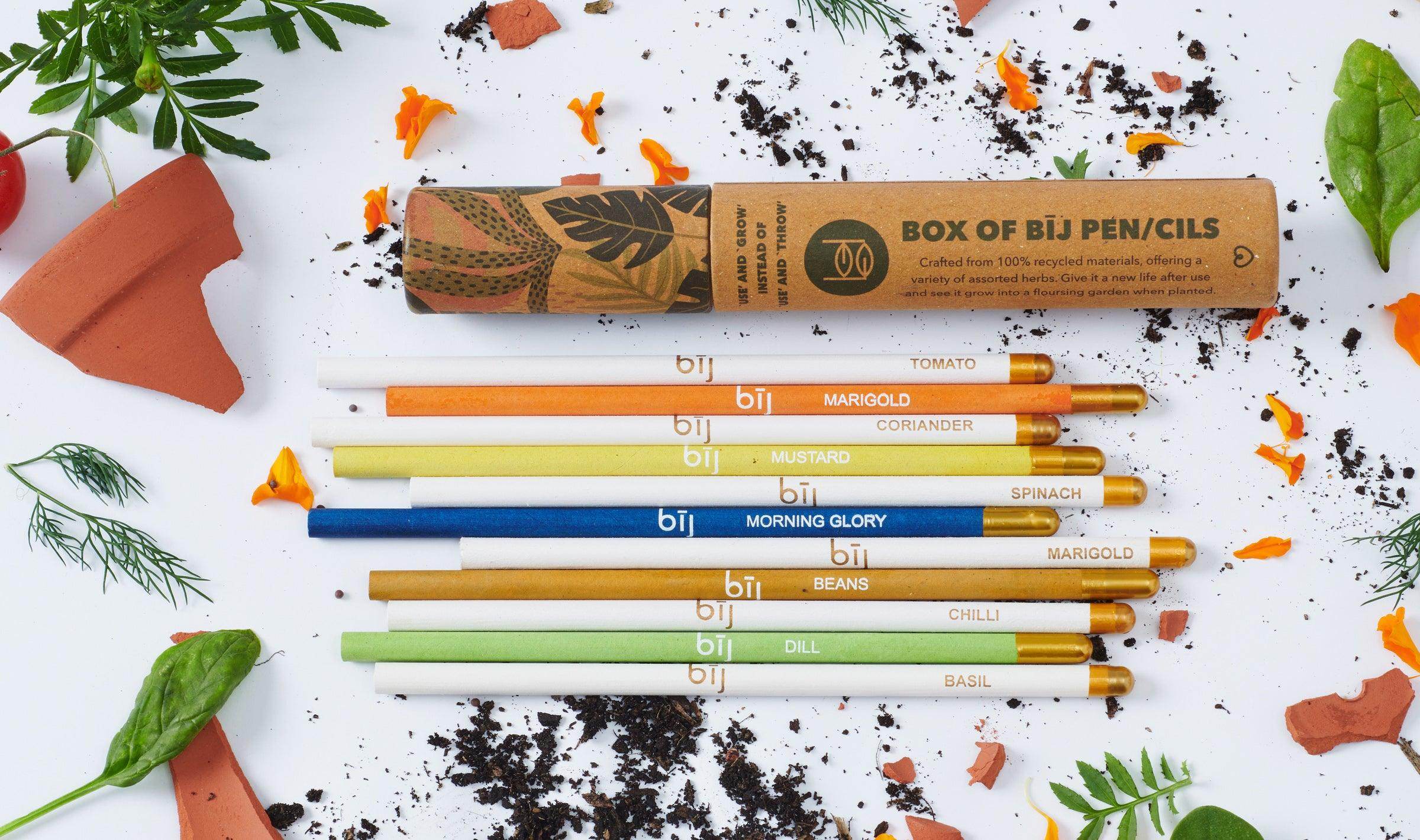
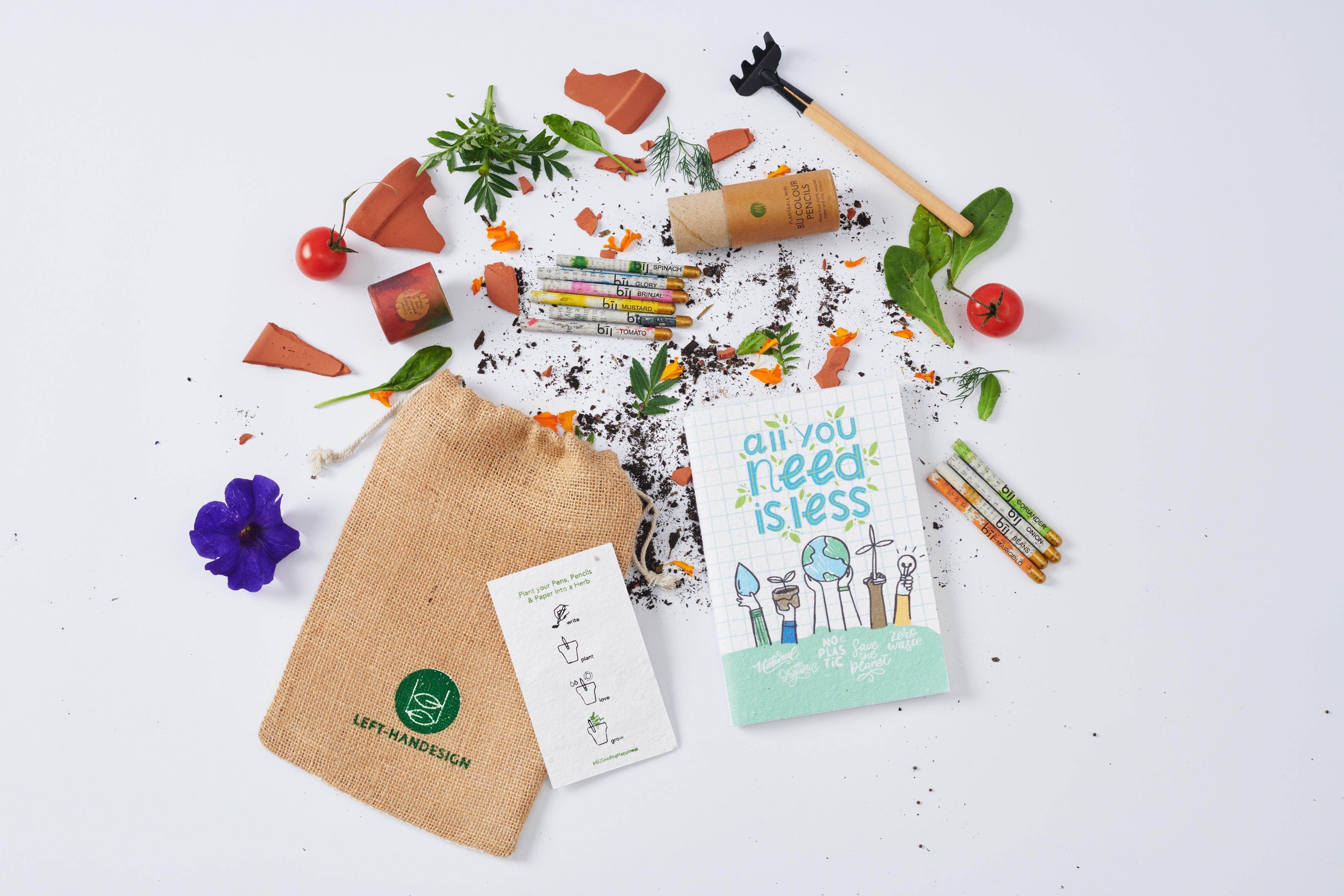
Zero waste stationery includes office supplies designed to minimize waste throughout their lifecycle. These products are typically made from recycled or sustainably sourced materials and are designed to be reusable, biodegradable, or recyclable. Examples include recycled paper notebooks, refillable pens, and plantable stationery items that can grow into plants after use.
Benefits of Zero Waste Stationery
- Reduced Waste Production: By using recycled and reusable office items, the amount of waste generated daily is minimized.
- Conservation of Resources: Manufacturing traditional office supplies consumes large amounts of water, wood, and energy. Zero waste stationery helps reduce these demands.
- Improved Corporate Responsibility: Adopting sustainable office supplies demonstrates a company’s commitment to the environment, enhancing brand reputation.
- Healthier Work Environment: Many eco friendly stationery products avoid toxic chemicals and inks, providing a safer workspace.
In addition to zero waste stationery, integrating environmentally friendly gifts into your office culture, such as sustainable gift sets for employees or clients, further emphasizes a commitment to reducing office footprint and promoting sustainability.
How Recycled Stationery Reduces Office Footprint
Recycled stationery plays a crucial role in minimizing office footprint. By using paper, notebooks, and folders made from post-consumer or post-industrial materials, companies can significantly reduce their reliance on virgin resources. This not only conserves trees and reduces water consumption but also decreases landfill waste.
Some practical examples of recycled stationery include:
- Recycled Notebooks: Made from post-consumer paper, often with soy-based inks and biodegradable covers.
- Recycled Paper Folders: Durable and functional, these reduce reliance on virgin paper supplies.
- Recycled Office Accessories: Items such as staplers, pen holders, and organizers made from recycled plastics or metals.
Switching to recycled stationery contributes to a lower office footprint by reducing the demand for raw materials and energy required for manufacturing conventional supplies. Companies looking to make a meaningful environmental impact can explore sustainable products like plantable stationery, which are designed to be both functional and regenerative.
Eco Friendly Stationery: Going Beyond Recycled Products
While recycled stationery is a significant step toward sustainability, eco friendly stationery expands the concept by incorporating multiple environmentally conscious principles. Eco friendly stationery often includes:
- Materials sourced from sustainable forests or recycled sources
- Non-toxic inks and dyes
- Biodegradable or compostable products
- Minimalist packaging to reduce waste
Implementing eco friendly stationery in your office reduces the carbon footprint associated with the production, transportation, and disposal of conventional office supplies. This approach not only benefits the environment but also sets a standard for employees and clients, encouraging a culture of sustainability.
For businesses, integrating eco friendly stationery alongside zero waste solutions can create a fully sustainable office ecosystem. Examples include refillable pens, notebooks with recycled paper, and plantable products that add value by growing into herbs or flowers once used. Companies can find these solutions in curated plantable stationery collections.
Steps to Reduce Office Footprint With Zero Waste Stationery
Transitioning to zero waste stationery requires planning and commitment. Here are practical steps to help offices reduce their footprint effectively:
- Audit Current Supplies: Evaluate the types and quantities of stationery currently used in your office to identify areas for improvement.
- Switch to Recycled Products: Replace traditional notebooks, folders, and paper with recycled alternatives.
- Adopt Reusable Items: Implement refillable pens, pencil sets, and other reusable items to reduce single-use products.
- Encourage Minimalism: Reduce unnecessary printing and paperwork to decrease paper waste.
- Incorporate Plantable Stationery: Introduce products that can grow into plants, adding an eco-friendly and interactive element to office supplies.
- Educate Employees: Provide training and awareness about sustainable practices to ensure proper adoption of zero waste stationery.
Following these steps helps businesses systematically lower their office footprint while maintaining productivity and functionality. Over time, these small changes contribute significantly to overall sustainability goals.
Additional Benefits of Zero Waste Office Practices
Beyond reducing waste, using zero waste stationery offers several additional advantages for companies:
- Cost Savings: Although some eco products may have a higher upfront cost, their durability and reusability often lead to long-term savings.
- Enhanced Corporate Image: Clients and stakeholders increasingly value companies that demonstrate environmental responsibility.
- Employee Engagement: Sustainable office practices create a sense of purpose and pride among employees, encouraging participation in broader green initiatives.
- Compliance and Incentives: Some regions offer incentives or recognition for companies adopting sustainable practices, adding value to eco-friendly investments.
By combining zero waste stationery with other environmentally conscious practices, offices can maximize the reduction of their overall footprint. This can include using energy-efficient equipment, reducing plastic use, and integrating eco friendly gifts for special occasions or corporate rewards.
Conclusion
Reducing office footprint is an essential part of creating a sustainable business environment. Zero waste stationery offers a practical and impactful way to achieve this goal. By incorporating recycled stationery, eco friendly stationery, and plantable products, offices can minimize waste, conserve resources, and foster a culture of sustainability. These changes benefit not only the environment but also employee engagement, corporate image, and operational efficiency. Making small, consistent changes in office supply choices can contribute to a meaningful reduction in overall office footprint, making sustainability an integral part of everyday business practices. For companies seeking effective solutions, exploring curated zero waste stationery, environmentally friendly gifts, and plantable stationery collections provides both practical and eco-friendly options for a greener workspace.
Frequently Asked Questions
1: What is zero waste stationery?
Zero waste stationery refers to office supplies made to minimize waste through reuse, recyclability, biodegradability, or sustainable sourcing.
2: How does zero waste stationery reduce office footprint?
By replacing conventional items with recycled, reusable, or plantable alternatives, offices generate less waste, reduce energy and resource consumption, and lower their environmental impact.
3: Can recycled stationery be as durable as regular products?
Yes, modern recycled stationery is designed to be durable and functional, often matching or exceeding the quality of conventional products.
4: What is plantable stationery?
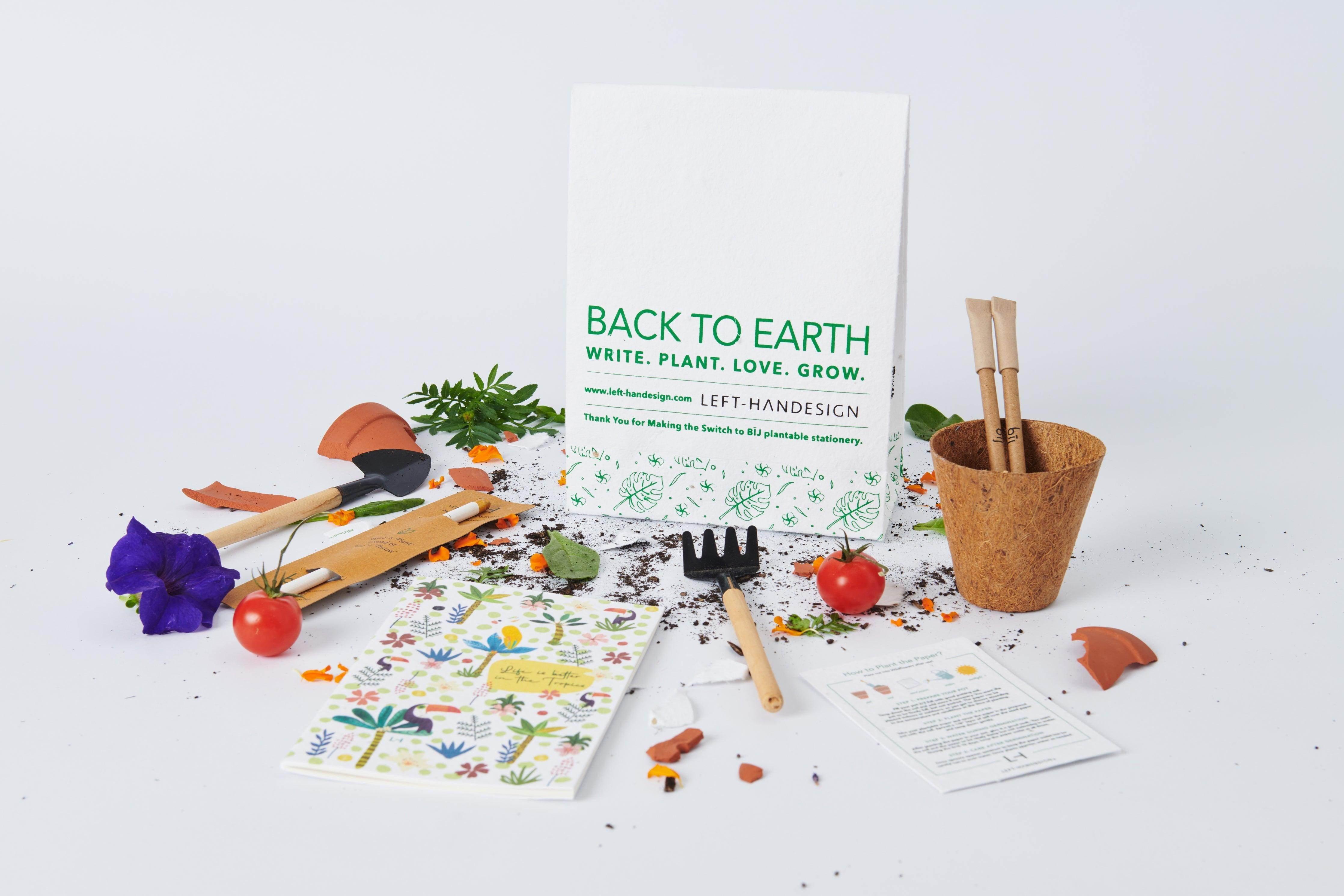
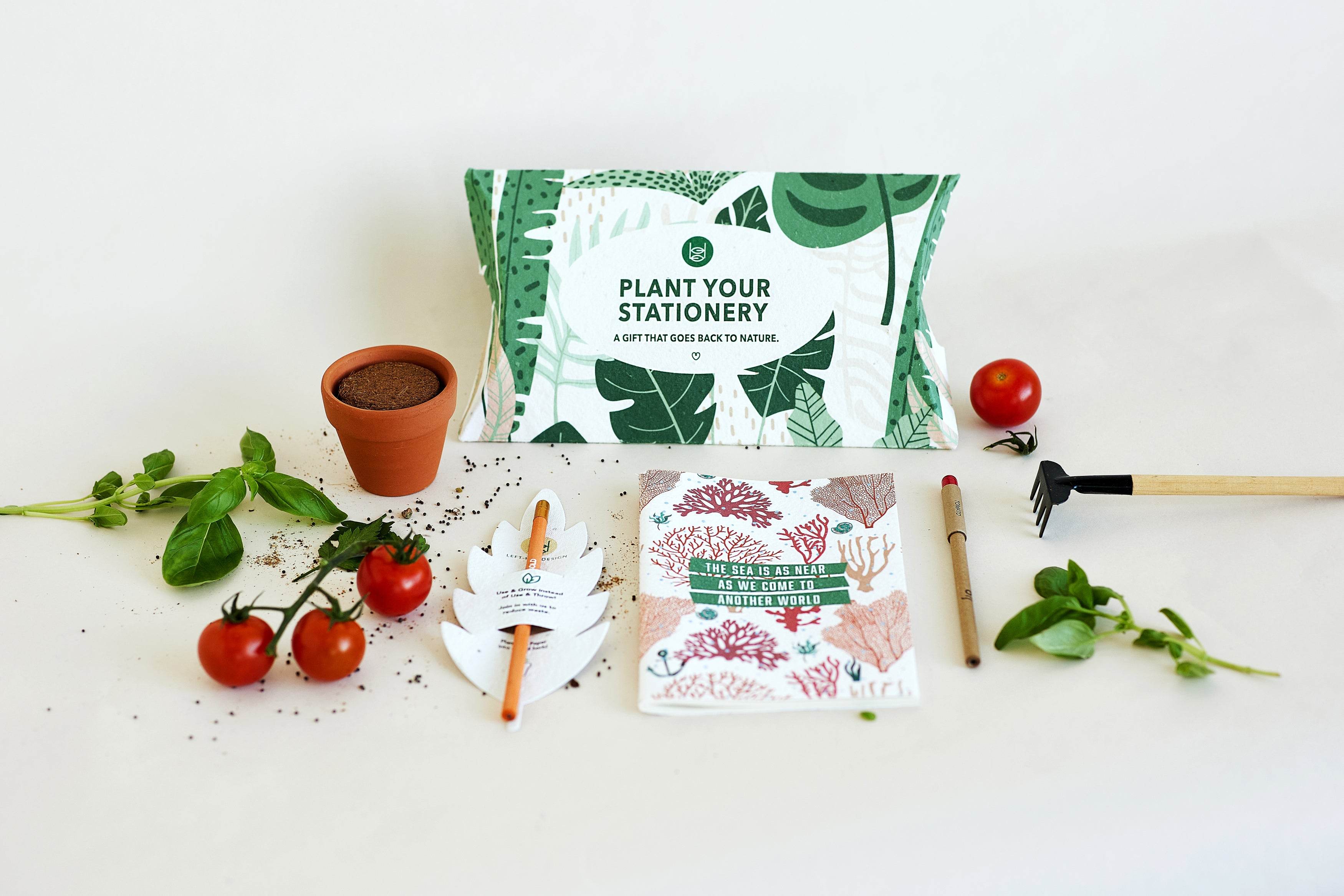
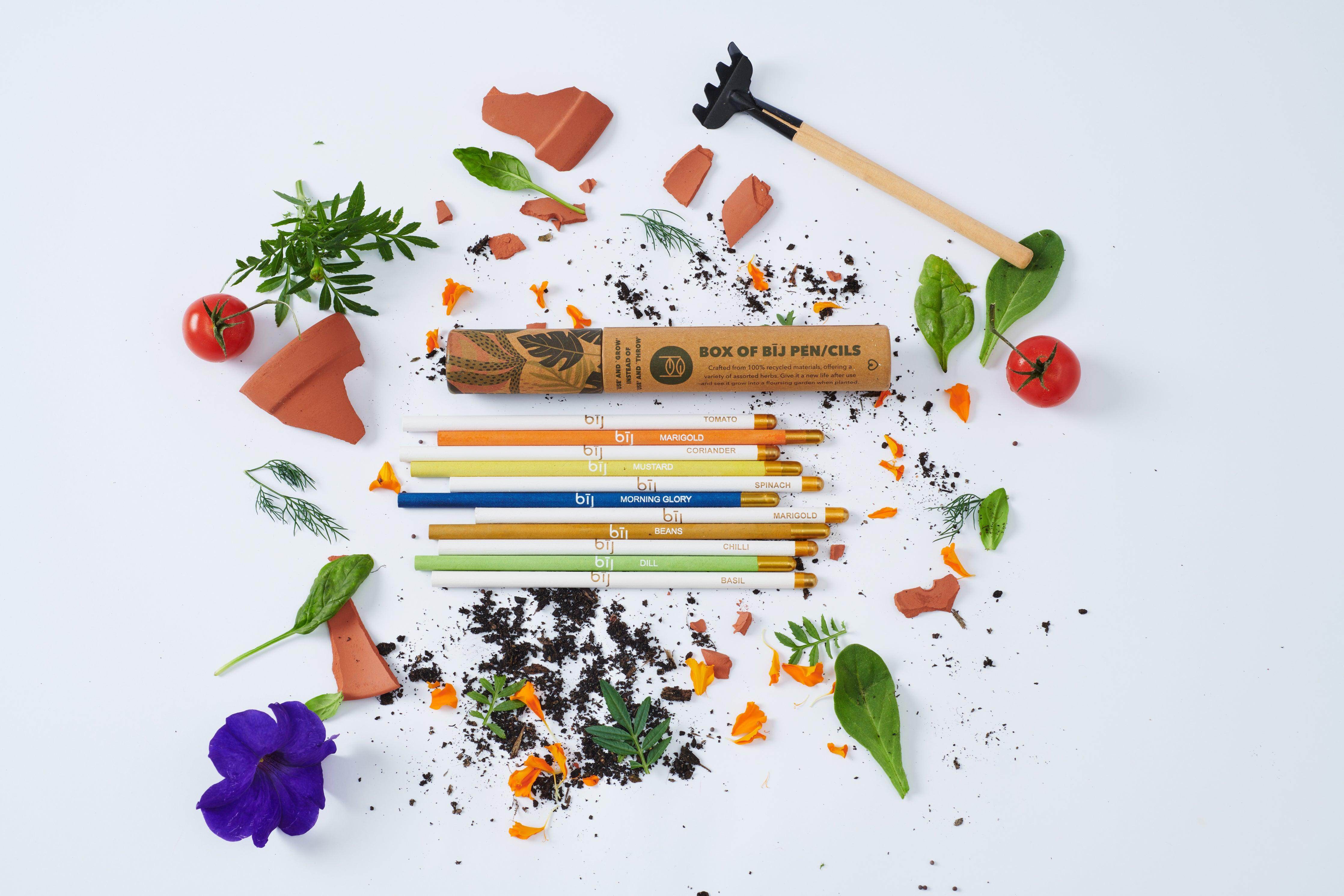
Plantable stationery consists of items embedded with seeds that can be planted to grow herbs, flowers, or vegetables after use, adding a regenerative element to office supplies.
5: How can businesses integrate zero waste stationery effectively?
Businesses can conduct an office supply audit, replace conventional products with recycled or plantable alternatives, encourage reusable items, and educate employees about sustainable practices.










Leave a comment
All comments are moderated before being published.
This site is protected by hCaptcha and the hCaptcha Privacy Policy and Terms of Service apply.