
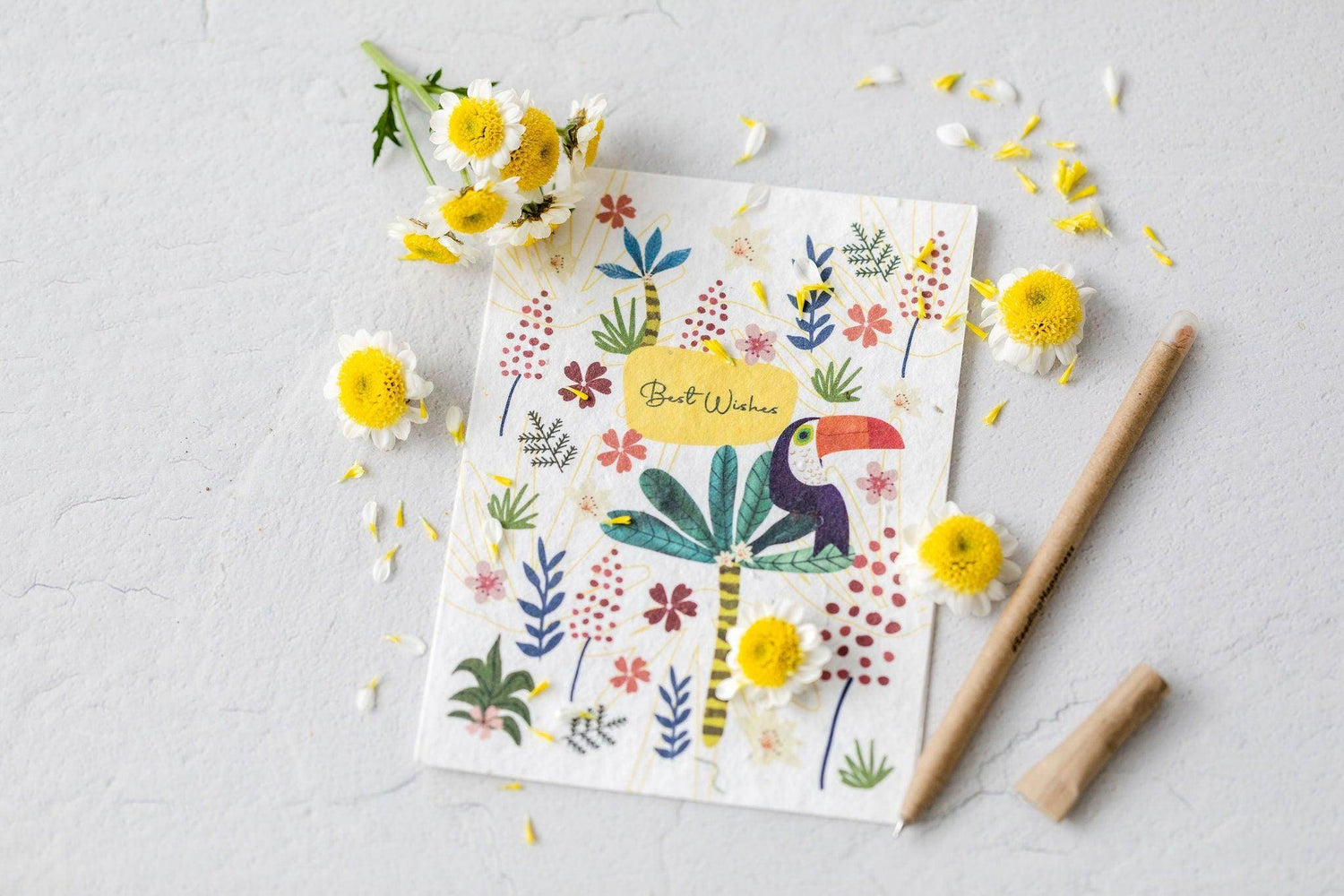
Plantable Notebook products are changing how everyday stationery is viewed and used. A Plantable Notebook blends writing with environmental awareness by allowing paper products to return to the soil after use. A Plantable Notebook is designed with seed infused paper that can be planted, watered, and grown into herbs, flowers, or vegetables once its writing purpose is complete. This approach reduces waste and introduces a circular lifecycle to stationery that is typically discarded.
As sustainability becomes a growing consideration in education, workplaces, and personal use, interest in plantable stationery continues to rise. These products move beyond novelty by offering both function and long term environmental value. Understanding how plantable notebooks and pencils work helps users make informed decisions when choosing responsible stationery options.
This guide explores materials, production, usage, and care, while also explaining how plantable writing tools fit into broader sustainable practices.
What Is a Plantable Notebook
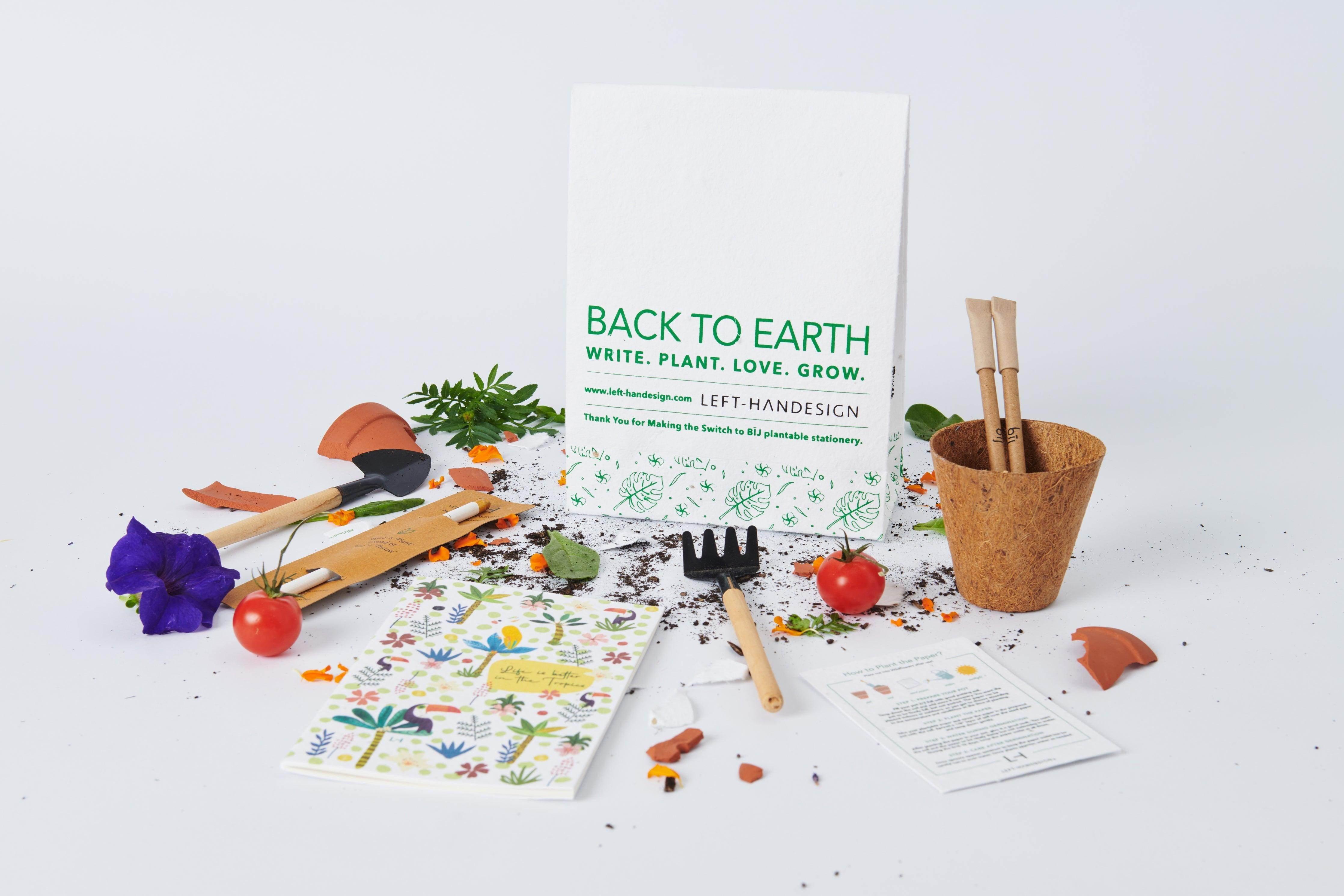
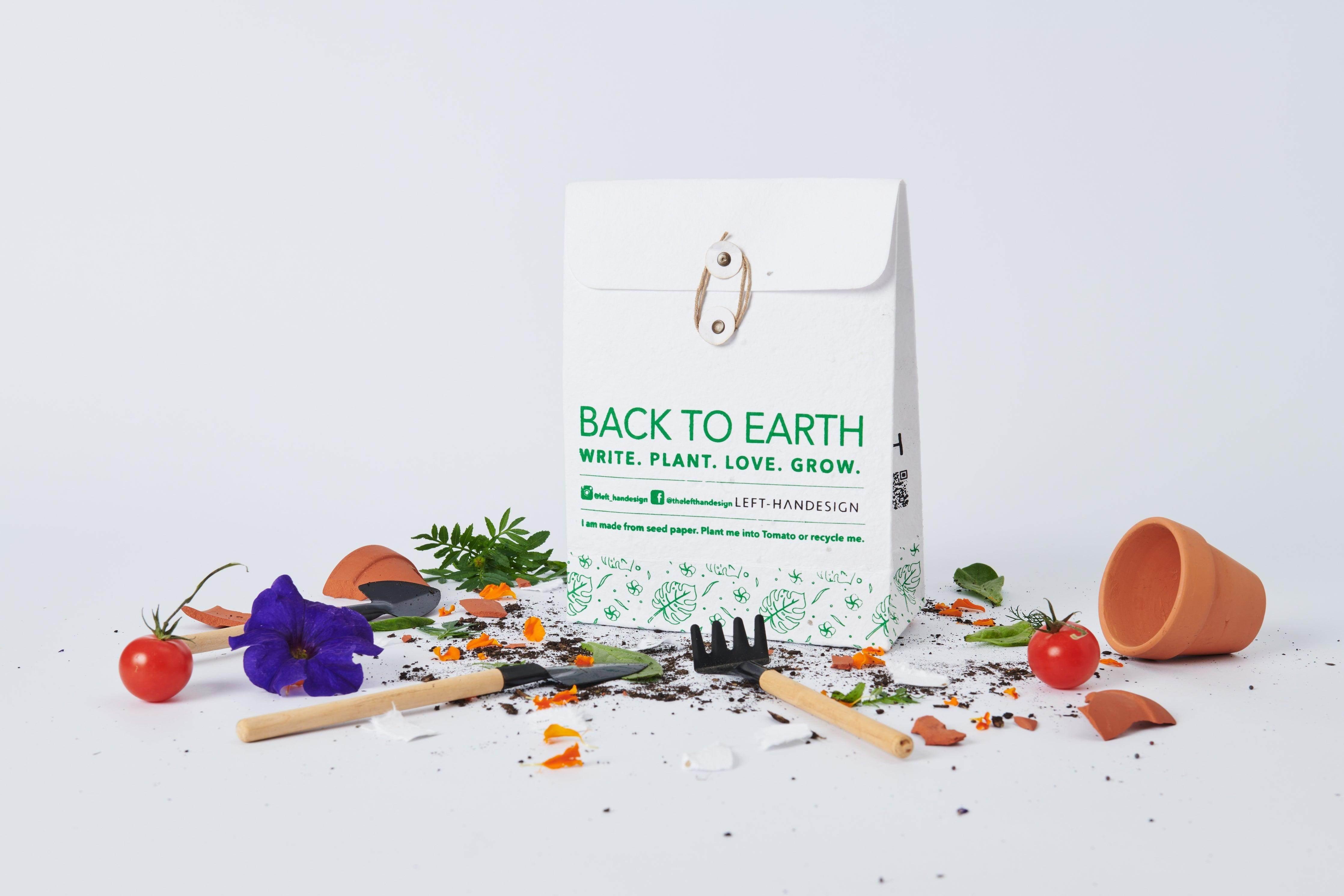
A plantable notebook is created using seed embedded paper for its pages or covers. Instead of being thrown away after use, the paper can be planted in soil, where it biodegrades and allows seeds to germinate. The result is a new plant growing from what would otherwise be waste.
The paper used is typically handmade or processed without harmful chemicals, allowing seeds to remain viable. Common seed varieties include basil, coriander, wildflowers, tomatoes, or leafy greens. The choice of seed often depends on climate suitability and intended use.
Unlike conventional notebooks, plantable notebooks emphasize mindful consumption. They encourage users to consider the full lifecycle of the product, from creation to disposal.
How Seed Paper Is Made
Seed paper is produced by blending recycled paper pulp with seeds. The pulp is spread thin and dried naturally to avoid damaging the seeds. This low impact process keeps the paper biodegradable and compostable.
Once dried, the paper is cut and bound into notebooks or shaped into other stationery items. The texture is often slightly rougher than standard paper, which reflects its handmade nature.
Key characteristics of seed paper include:
- Recycled fiber content that reduces reliance on virgin paper
- Chemical free processing that protects seed viability
These qualities make seed paper suitable for writing, printing, and eventual planting.
Understanding Plantable Pencils and Pens
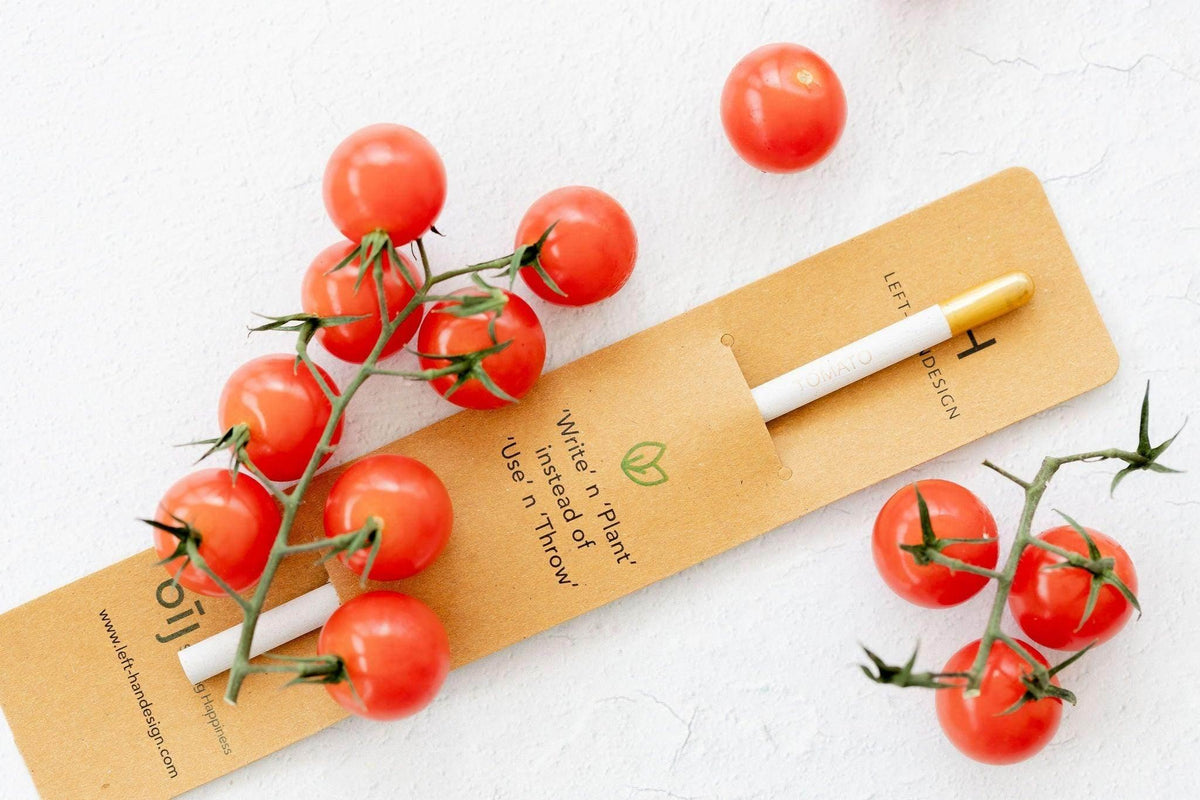
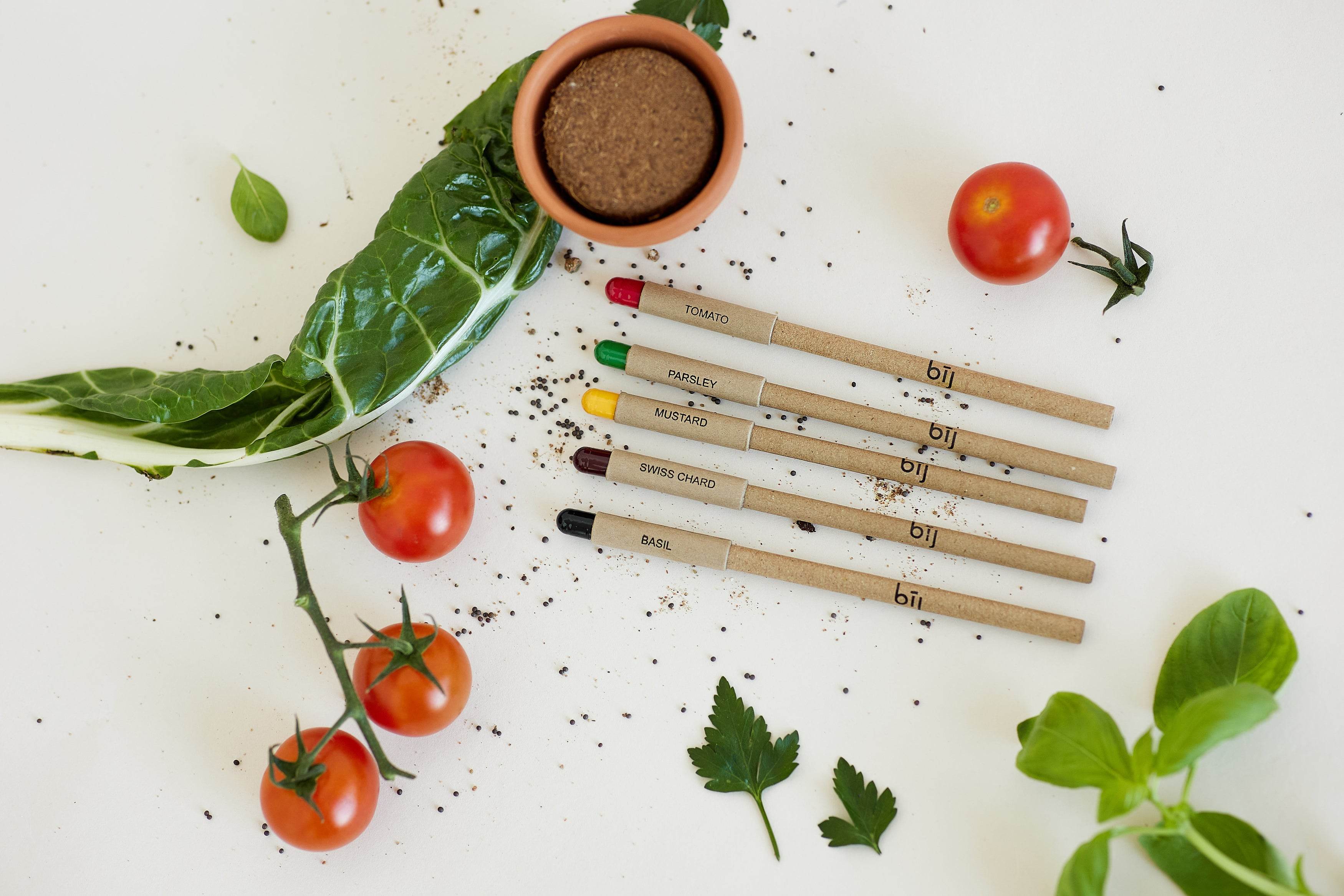
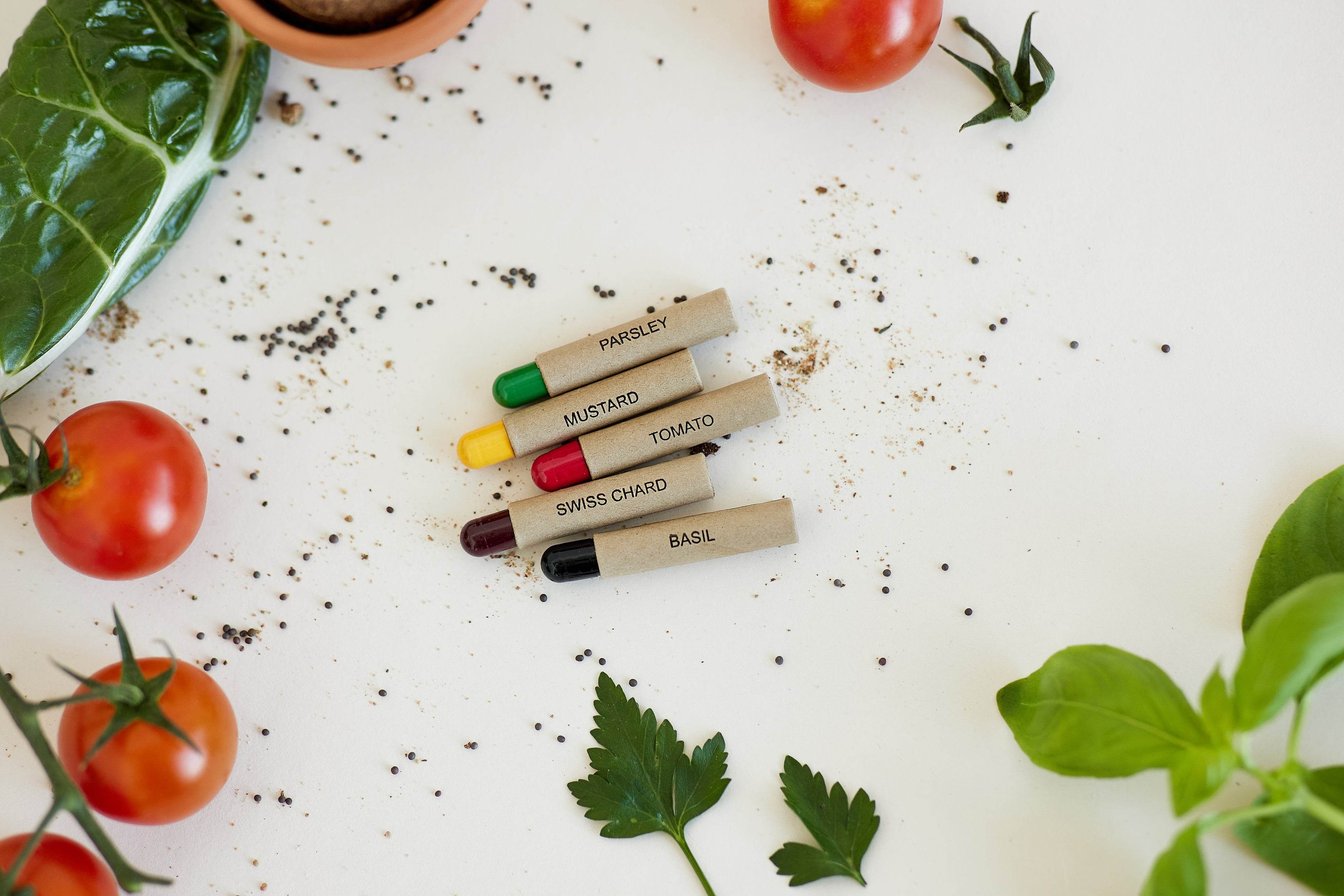
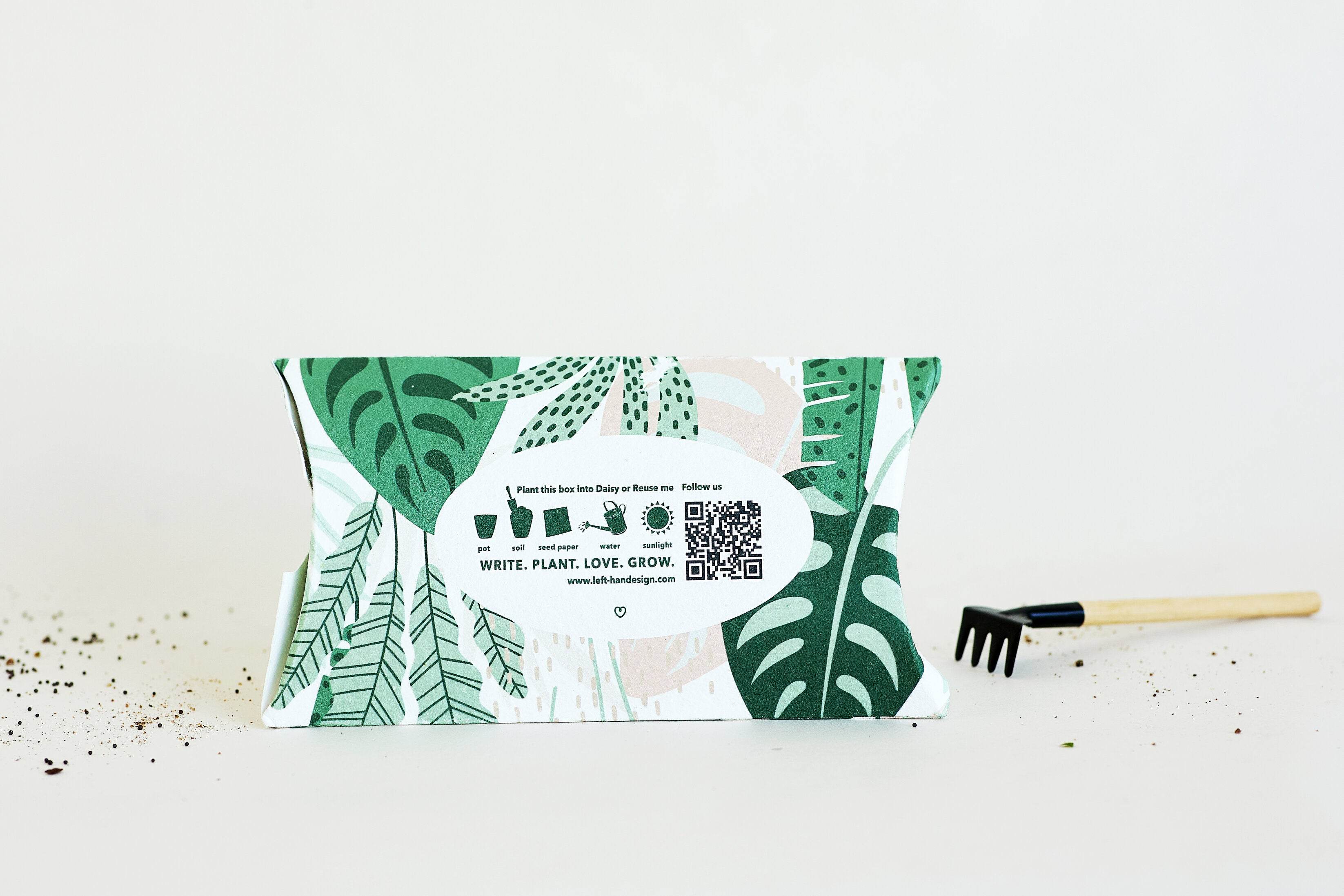
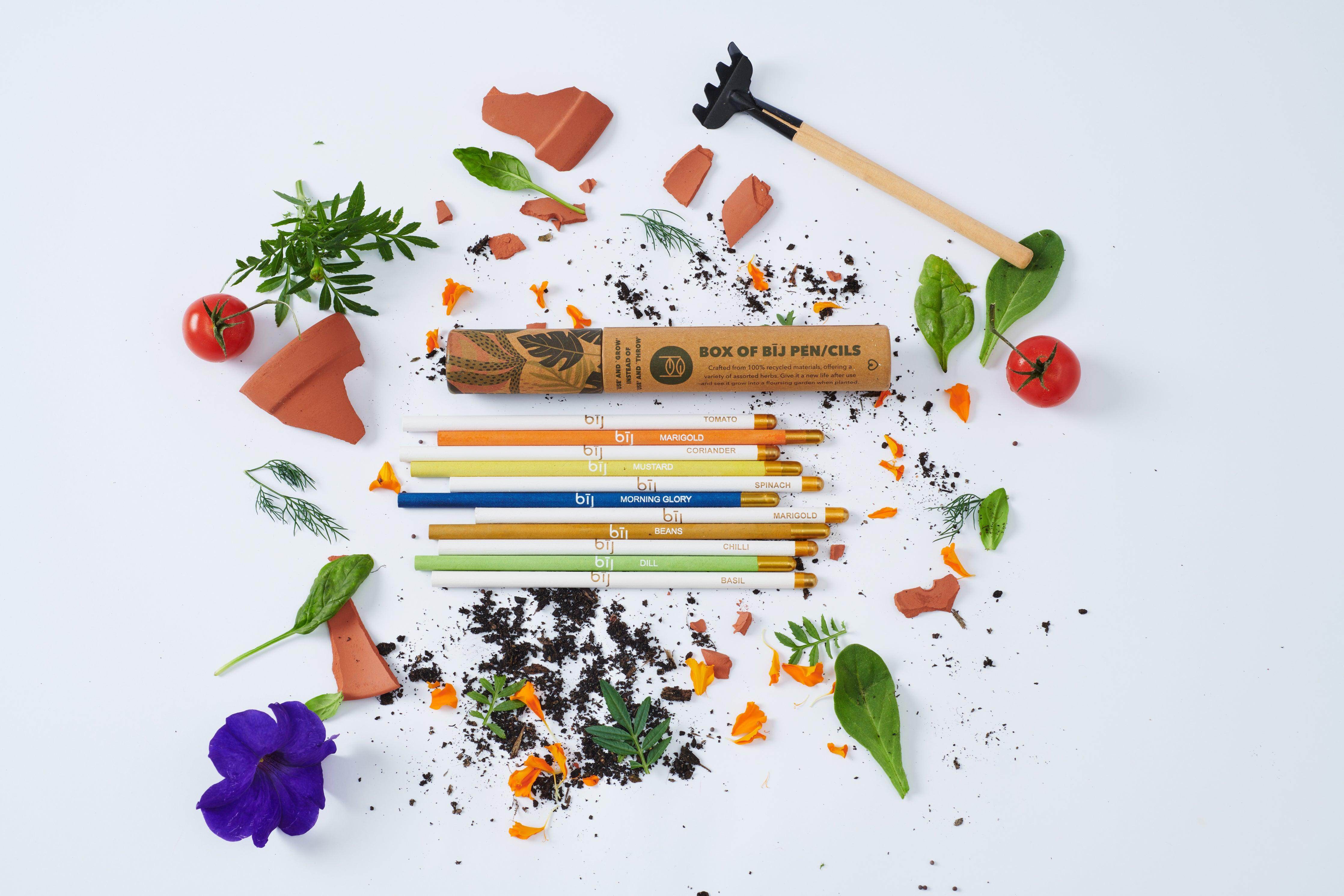
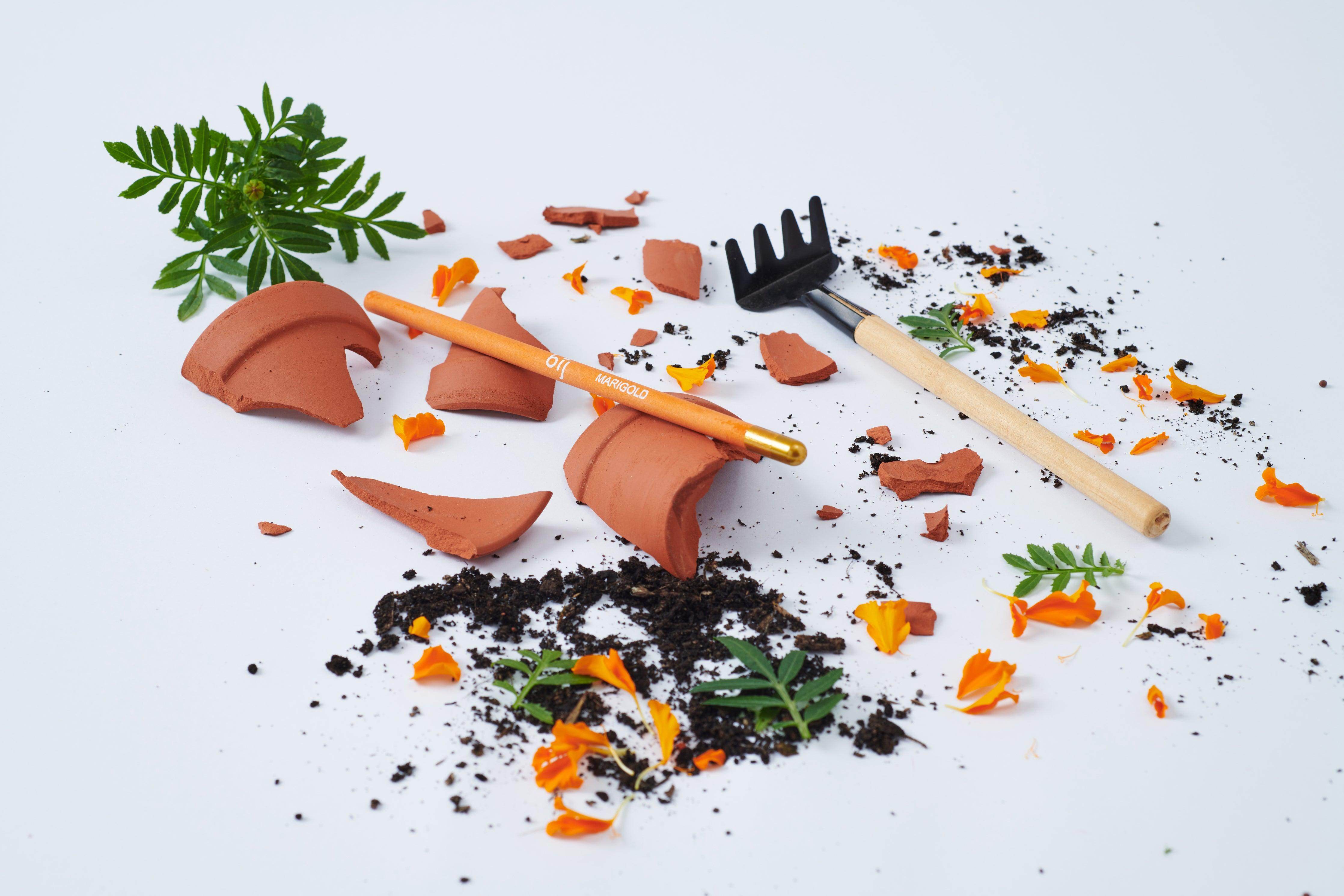
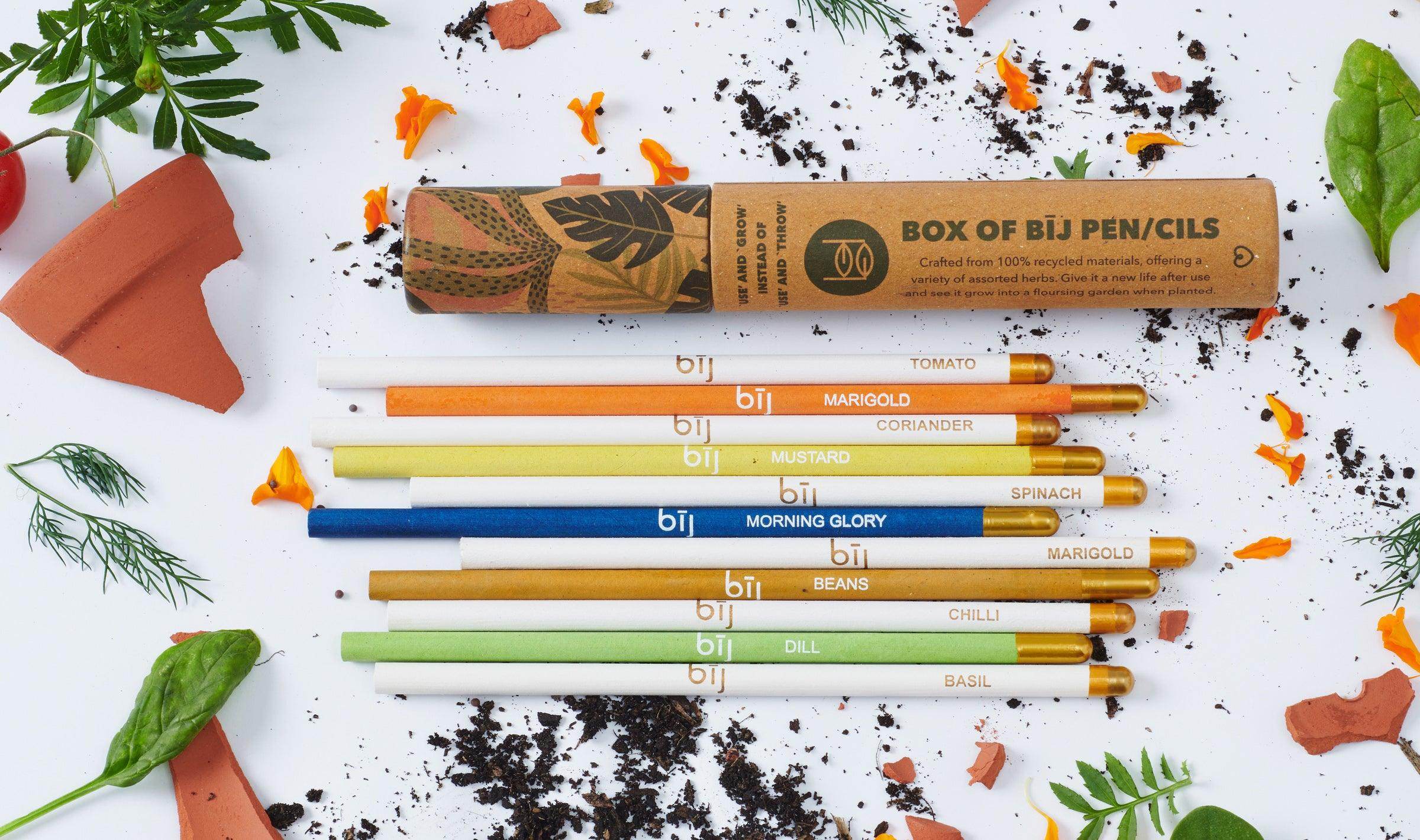
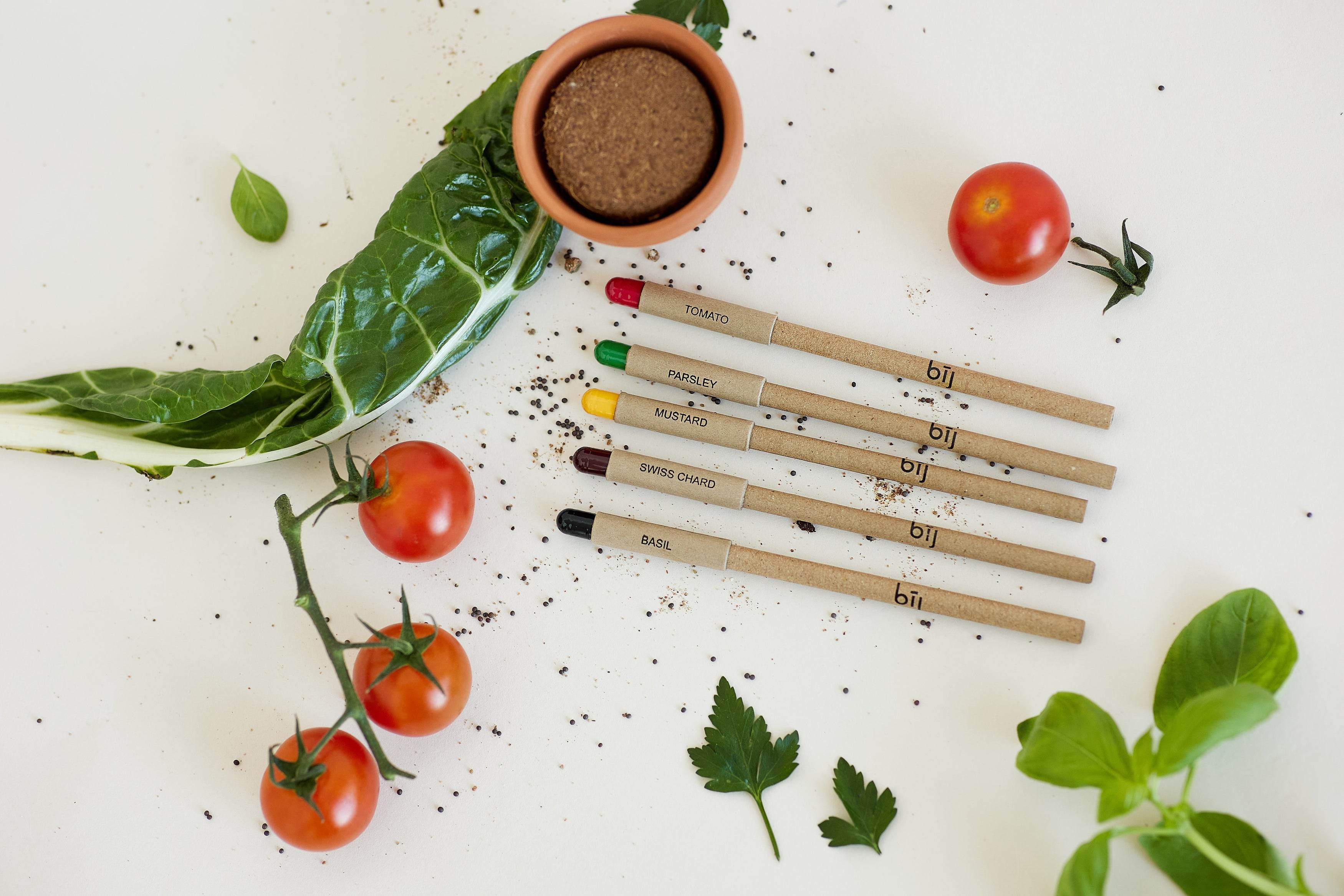
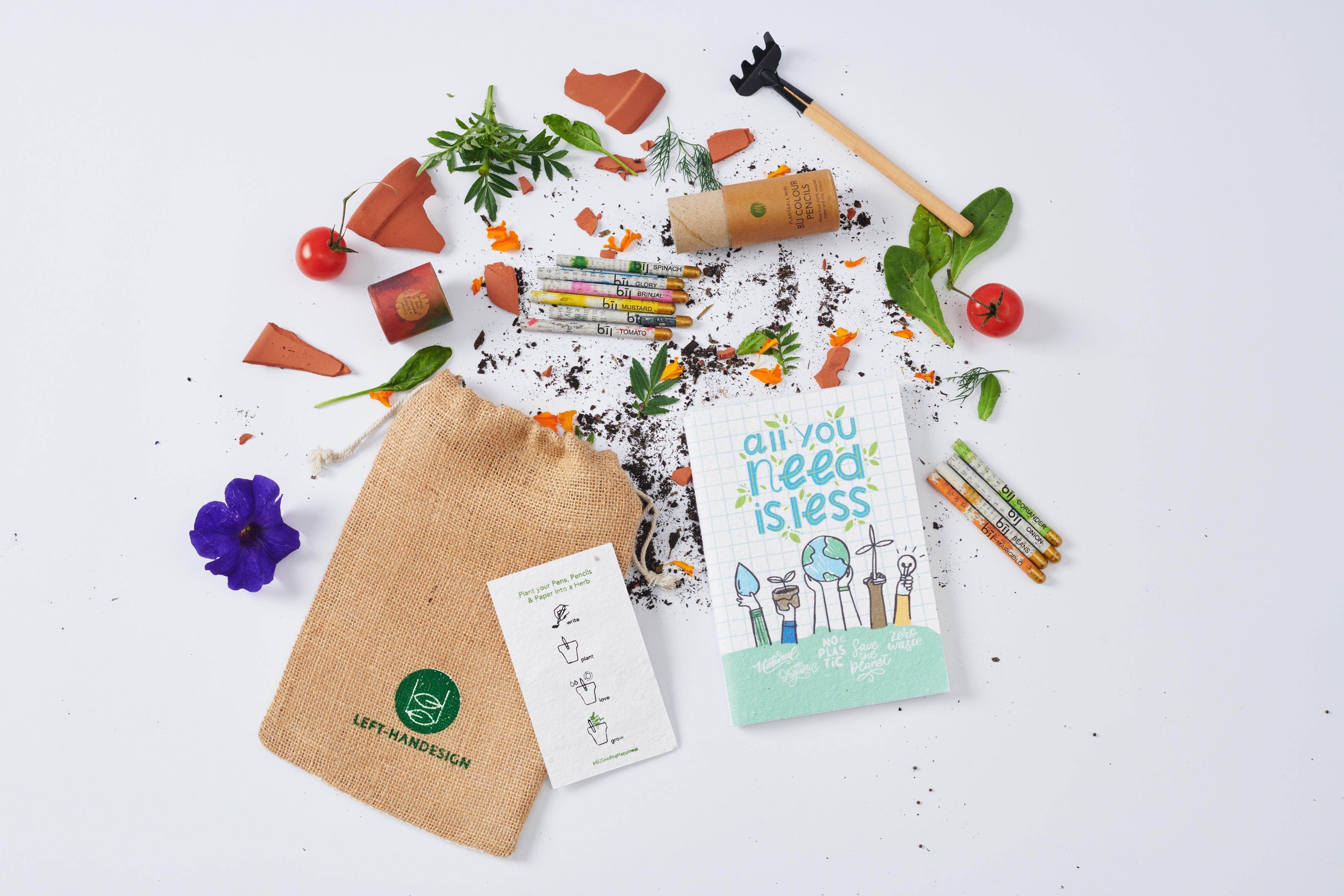
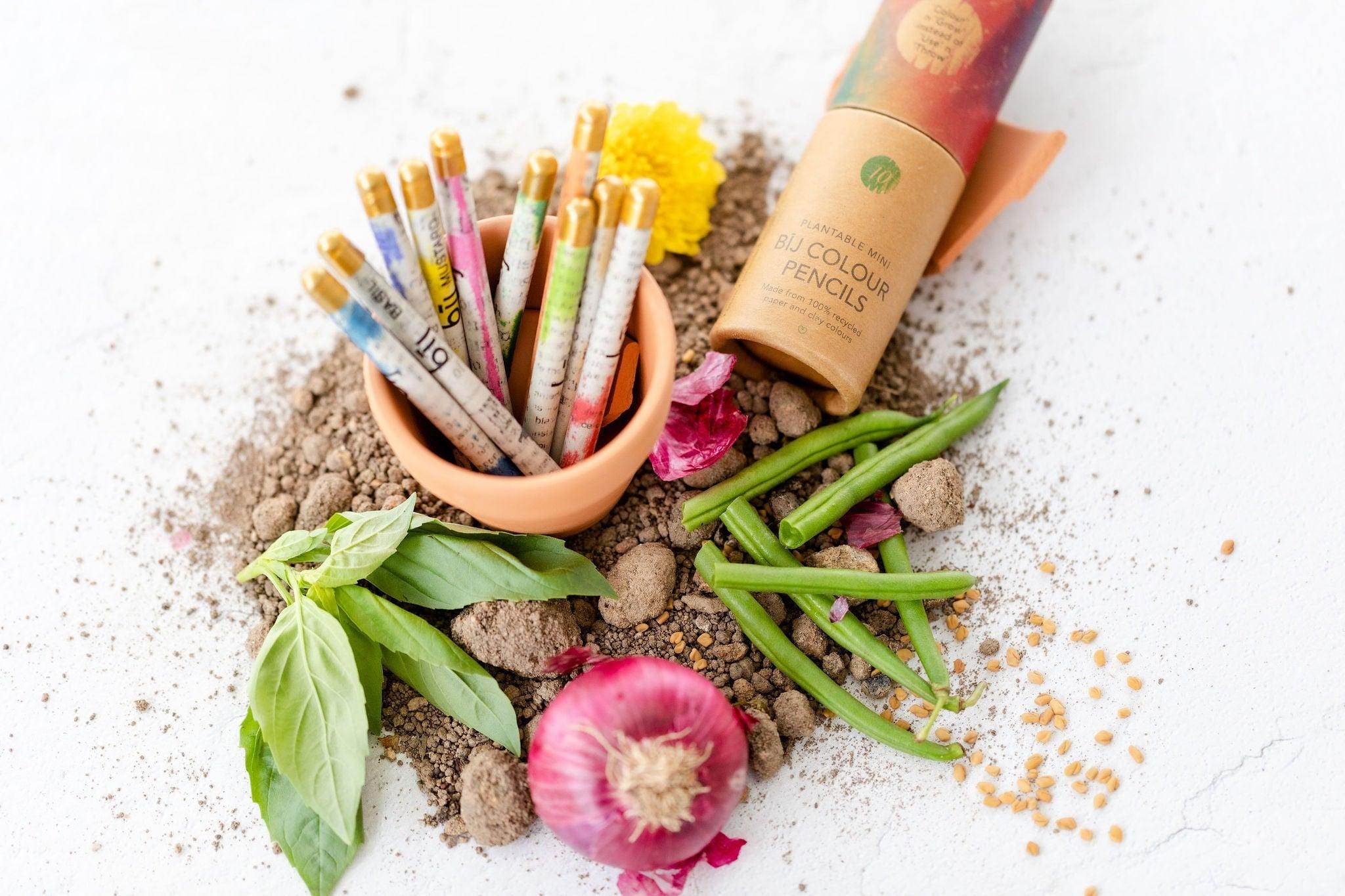
Plantable notebooks are often paired with seed paper pencils and pens. These writing tools extend the same concept of growth after use. A seed paper pencil typically contains a capsule of seeds at the end opposite the writing tip. When the pencil becomes too short to use, it can be planted with the seed end facing up.
Seed paper pens use similar principles, with biodegradable barrels and seed capsules. Once empty, they can be planted rather than discarded.
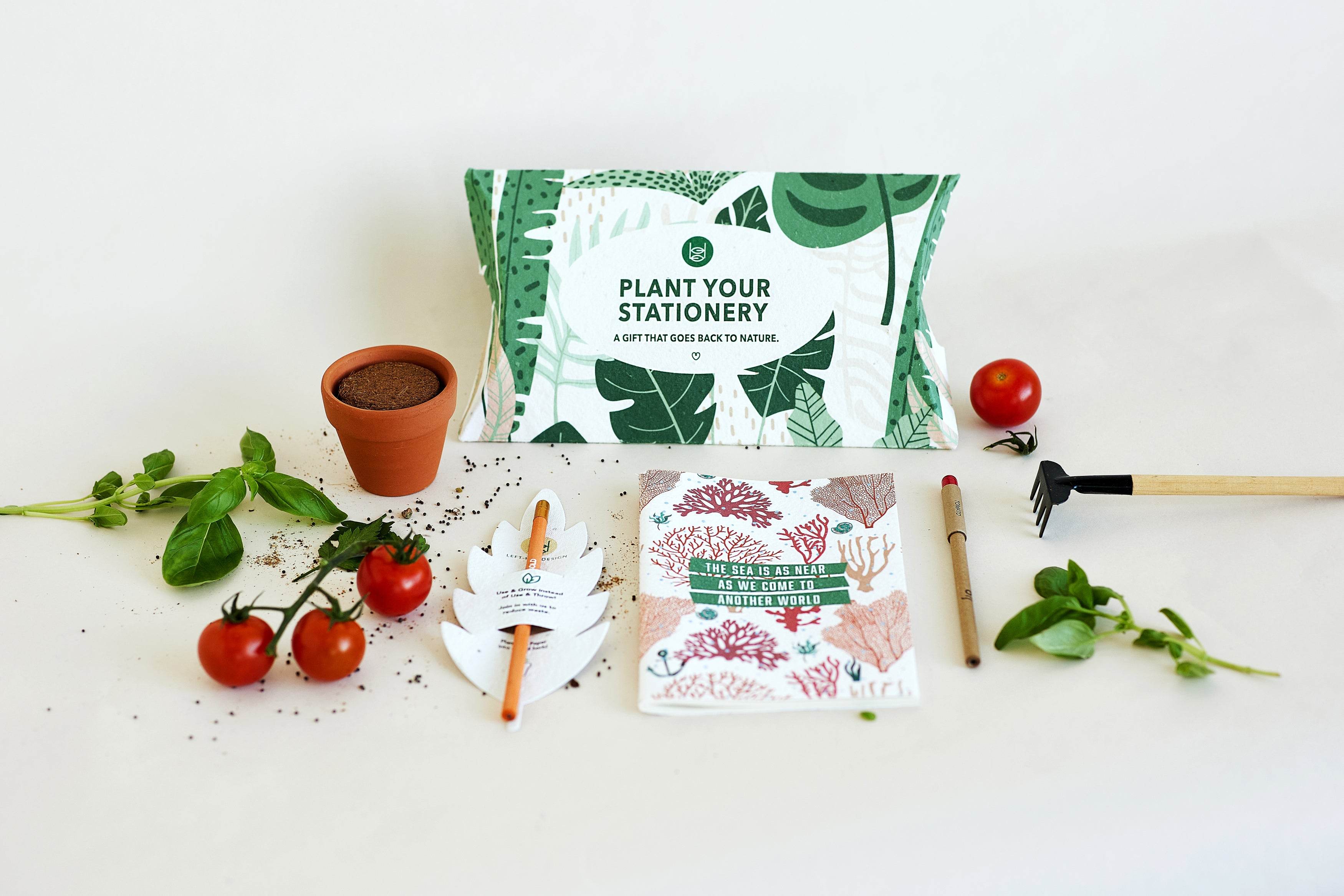
Collections that feature plantable pens and pencils often include a variety of seed options, allowing users to choose plants that suit their environment.
Practical Uses of Plantable Stationery
Plantable stationery is used across many settings, including schools, offices, events, and personal journaling. Its appeal lies in combining everyday utility with environmental responsibility.
In educational settings, plantable notebooks can support lessons on sustainability, recycling, and plant growth. Students experience a tangible connection between consumption and environmental impact.
In professional environments, plantable stationery offers an alternative to disposable promotional items. It aligns with sustainability initiatives while remaining functional.
Personal use includes journaling, note taking, or creative writing, where the notebook’s end of life becomes part of its story.
How to Use and Plant a Seed Paper Notebook
Using a plantable notebook is similar to using a regular notebook, with a few considerations. Writing tools that do not require heavy pressure are recommended to avoid tearing the paper.
When the notebook has served its purpose, planting is straightforward:
- Tear the paper into small pieces
- Place pieces in a pot or garden soil
- Cover lightly with soil and water regularly
Within a few weeks, seeds begin to sprout if conditions are suitable. Light, water, and temperature play a role in successful germination.
Environmental Benefits of Plantable Notebooks
Plantable notebooks reduce waste by transforming used paper into plant growth. Instead of adding to landfills, the paper decomposes naturally and supports soil health.
Additional benefits include reduced demand for virgin paper, lower chemical usage, and increased awareness of sustainable practices. While a single notebook may seem small in impact, collective use contributes to broader waste reduction.
Seed paper stationery also encourages users to engage with nature, reinforcing habits that support environmental stewardship.
Choosing the Right Plantable Notebook
When looking to buy plantable notebooks, several factors are worth considering. Seed type is important, as some plants grow better indoors while others require outdoor space. Climate compatibility ensures higher success rates.
Paper thickness and binding style affect usability. Some notebooks are designed for light note taking, while others support longer writing sessions.
Printing methods matter as well. Vegetable based inks are preferred because they do not interfere with seed germination. Options for custom seed paper printing allow organizations to personalize notebooks while maintaining sustainability standards.
Care and Storage Tips
To preserve seed viability, plantable notebooks should be stored in cool, dry conditions. Excessive heat or moisture can damage seeds before planting.
Writing with water based or gel pens is generally safe, but heavy ink saturation may affect planting outcomes. Using the notebook as intended and avoiding unnecessary exposure to moisture helps maintain quality.
When planting, patience is essential. Not all seeds germinate at the same rate, and environmental conditions influence results.
Common Misconceptions About Plantable Stationery
One misconception is that plantable notebooks are fragile or impractical. While the paper texture differs from conventional notebooks, it is durable enough for everyday use.
Another assumption is that planting always guarantees growth. Like all seeds, success depends on care, environment, and seed type. Plantable stationery offers potential, not certainty.
Some believe these products are purely decorative. In reality, they serve functional purposes before transitioning into a second life as plants.
Role in Sustainable Gifting
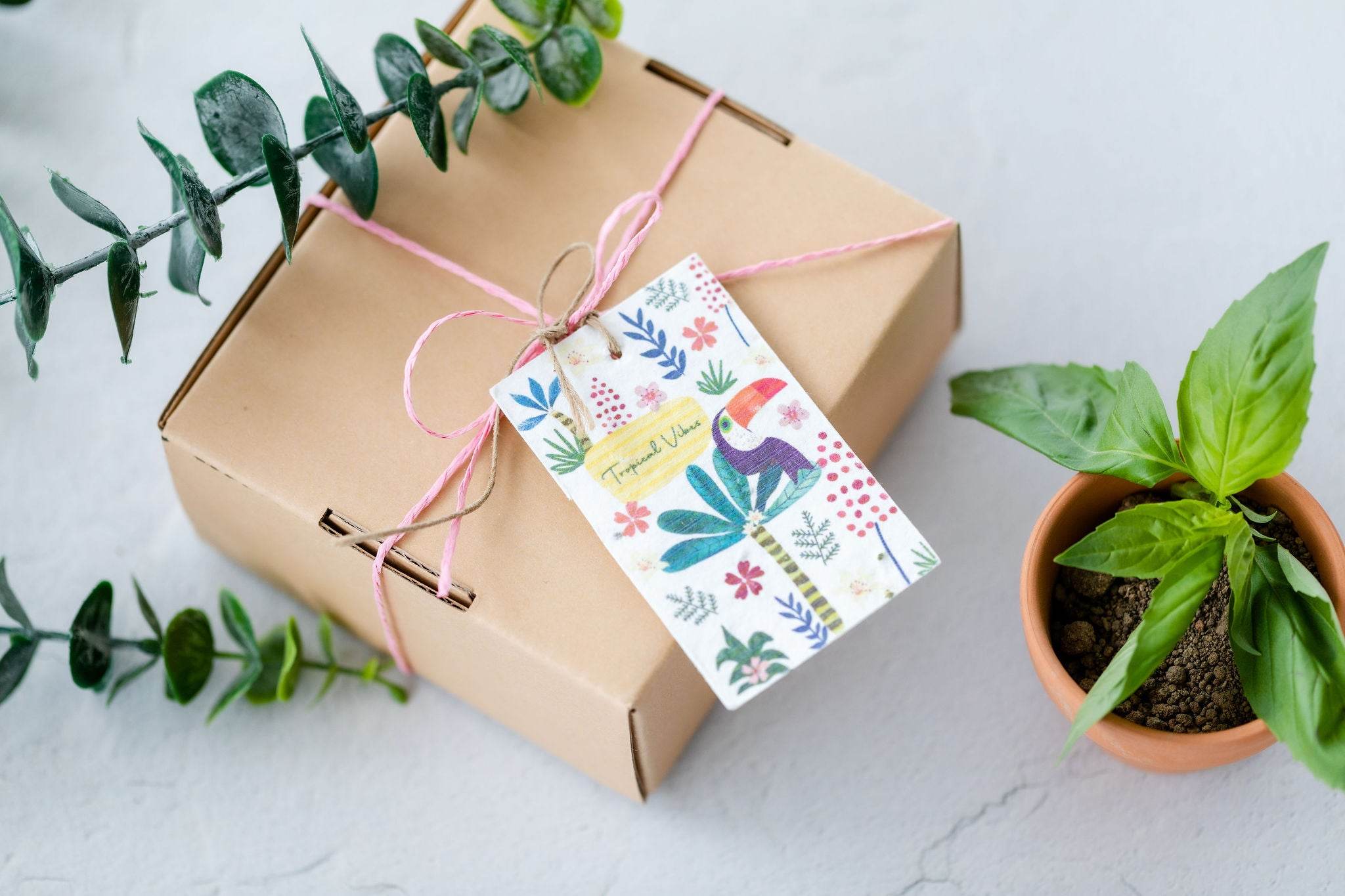
Plantable notebooks are increasingly included in sustainable corporate gifting collections. Beyond their practical use, they represent a conscious choice to reduce waste and support environmentally responsible production.
When organizations choose plantable stationery for gifting, the money spent contributes to products designed with the planet in mind. Each notebook replaces a disposable alternative and supports a shift toward more thoughtful, regenerative consumption.
As part of curated gift sets, plantable notebooks and writing tools signal a commitment to sustainability, showing recipients that better choices can create lasting impact beyond the moment of exchange.
The Future of Plantable Stationery
Interest in biodegradable and plantable products continues to grow as awareness of waste increases. Innovation in seed varieties, paper quality, and design is expanding the range of available options.
Future developments may include improved durability, expanded printing capabilities, and broader climate adaptability. These advancements support wider adoption across sectors.
As consumers seek products that reflect environmental values, plantable notebooks and pencils remain relevant tools for responsible consumption.
Conclusion
Plantable notebooks and pencils represent a meaningful shift in how stationery is produced, used, and disposed of. By integrating writing with growth, these products encourage mindful use and environmental awareness.
Choosing plantable stationery is more than a functional decision. It is a vote for reduced waste, responsible production, and a greener future. Every purchase supports materials and processes designed to give back to the planet rather than take from it.
By making better choices in everyday items and gifting, individuals and organizations become part of a growing movement toward sustainability. Thank you for choosing to take part in that movement.
Frequently Asked Questions
1. What seeds are commonly used in plantable notebooks?
Common seeds include herbs, wildflowers, and vegetables suited to various climates.
2. Can plantable notebooks be recycled instead of planted?
Yes, they can be composted or recycled, though planting allows full use of the embedded seeds.
3. Do seed paper pencils work the same way as notebooks?
Yes, both rely on seed embedded materials that grow when planted correctly.
4. How long does seed paper take to germinate?
Most seeds sprout within one to three weeks, depending on conditions.
5. Is plantable stationery suitable for everyday writing?
Yes, it is designed for regular use while offering an environmentally responsible end of life.

Leave a comment
All comments are moderated before being published.
This site is protected by hCaptcha and the hCaptcha Privacy Policy and Terms of Service apply.